Narrative Gem
Samuel Taylor Coleridge’s
The Rime of the Ancient Mariner is probably the most famous narrative
[lyrical] poem in the English language. And it is the narrative thread which
makes it so compelling: the storytelling – that double ruse of the mariner
haranguing the wedding guests with his tale and then we as readers also
listening. It is a melodramatic story highlighted by their horror at its
contents and then further illumined by our engagement with the poetic reverie.
And how do we best hear/receive this? A seemingly rhetorical
question – of course, we read it! At the time of composition and contemporary readership
it is Coleridge’s art which demanded attention, and that naturally still applies
today. The tale is itself captivating – though not wholly original in the
sense of someone having undertaken an ‘epic’ journey and testing – and its
rendition is made notable by the quality, even hyperbole of poetic expression. It really is this straightforward. That such poetic language excites and generates the seeing of our imagining is the essence
of its implicit oral tradition as well as ballad-like written narration.
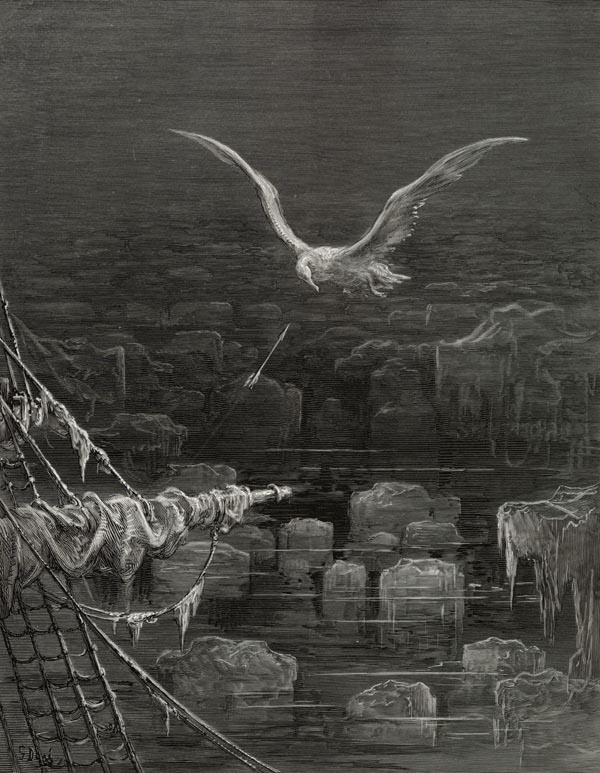
An external source of further inspiration would by the
images drawn for the text by Gustave Doré some eighty years after Coleridge
wrote his poem. These make a vivid imaginative accompaniment to any reading.
There is a wealth of recorded readings that can also be easily accessed: by
Orson Wells, by Richard Burton, by Ian McKellen. Burton, for example,
accentuates the rhythms and rhyme in the poetry, treating it very much as the
written piece it is; Wells recites his piece within the opening context of
peaceful bird song and an organ’s playing, until a bell tolls, and this is framed
within a wonderful animation by experimental film maker Larry Jordan.


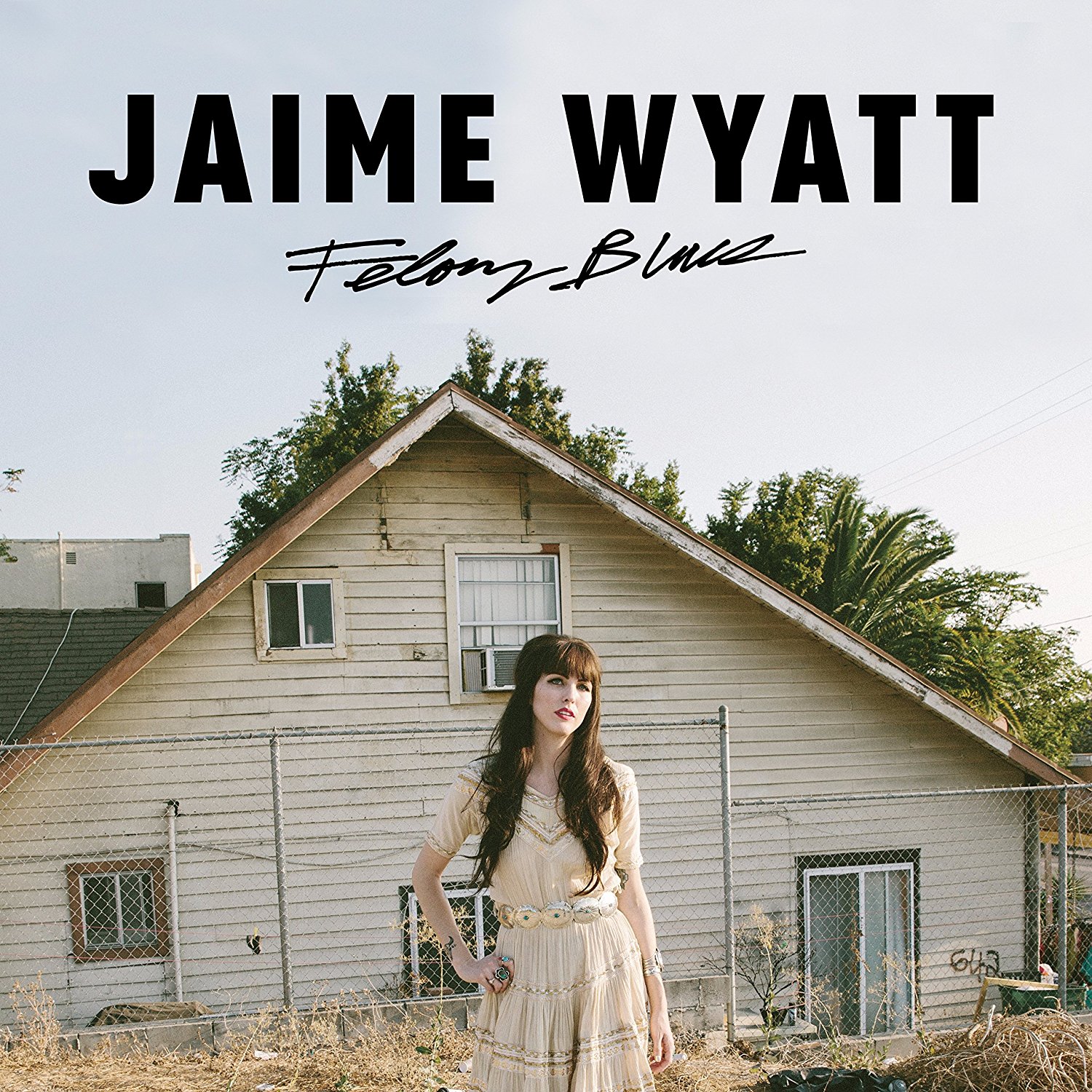
So where does the Birmingham Contemporary Music Group &
Martyn Brabbins - Howard Skempton, The
Rime of the Ancient Mariner sit
as another medium for listening to this great poem? First and foremost – and paradoxically
– it isn’t the music. Certainly not in any melodic sense. This is mood music,
paired back orchestral accompaniments to mirror the language of the
storytelling and its own shifts in mood and emotion. For example, in Part I at
the point the mariner begins to actually relate his tale
And now the STORM-BLAST
came, and he
Was tyrannous and
strong….
the hitherto lightly neutral score is shifted to the brooding
tone of cello/strings, this again shifting to a more
sustained strain and the oscillating vocal of Roderick Williams with
And now there came
both mist and snow,
And it grew wondrous
cold:
And ice, mast-high,
came floating by….
This continues throughout, not surprisingly, and it would be
pointless [and protracted] to plot all of that in a review.
Part II begins with a stark piano strike, but then moves
immediately into those string strains, the piano rising and falling with the
vocal recitation. Where the vocal itself mimics a shift in mood is, for
example, in a poetic focus, as in the alliterative stanza of
The fair breeze blew,
the white foam flew,
The furrow followed
free;
We were the first that
ever burst
Into the silent sea
and Williams’ baritone rises to quite a pretty tonal pitch –
compared with, to be precise, what is otherwise the absolute clarity of the baritone
as a more singsong narration.
This rise and fall continues through Part III, horns
joining, and strings plucked to advance the pace. And from here, as a listener,
I am not entirely enthralled by the music, but Williams’ enunciation across the
lexical richness of Coleridge’s language does continue to engage for that
precision [and the trills he manages in simple, monosyllabic words like free].
The cello [or similar] returns in Part IV to map out the horrid
observations of the slimy things,
horns mournful across lines like
Lay dead like a load
on my weary eye,
And the dead were at
my feet.
And I am plotting now!
Premiered live in Birmingham and London early in December of
2015, this 2017 premier recording adds another layer to the performances of
this amazingly enduring story. I prefer the narration of Orson Wells as a
straight comparison [with or without the animation] but this is because I am
not a huge fan of the operatic, though I would stress this solo vocal and chamber ensemble allows the focus on the ‘spoken’ poetry, and therefore the poetry
itself, to reign. As it should.